
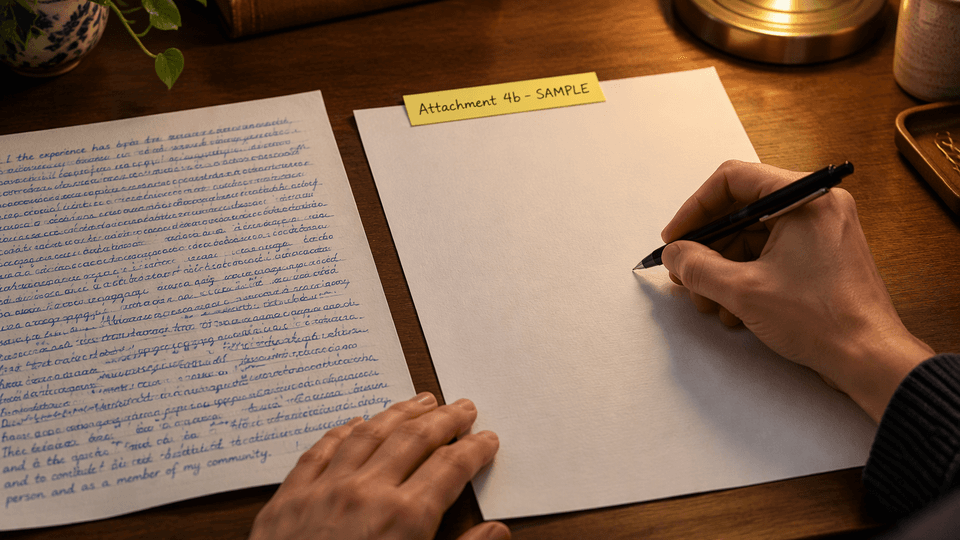
MC-025 Example: What to Do When a Court Form Runs Out of Space
See MC-025's actual fields and how a fictional attachment links to its parent form, with labeling, page numbering and perjury rules tied to the official instructions.
Read field noteThe Fylune Field Notes
Product notes, local-first engineering, and honest dispatches from building a document workspace in public.
See MC-025's actual fields and how a fictional attachment links to its parent form, with labeling, page numbering and perjury rules tied to the official instructions.
Read field note
Compare PdfCraft and Fylune for offline PDF work, government form templates, AI-assisted filling, privacy, and export costs. Choose by the task you need to finish.

A clearly fictional MC-030 declaration example plus the official structure: caption, factual paragraphs, and the penalty-of-perjury signature block.

For a disregarded LLC owned by a U.S. individual, map the owner and LLC names, the current classification box, and the owner SSN or EIN to Form W-9.

A line-by-line walkthrough of the current IRS Form W-9: which lines you complete, where the form goes back to, and how to send it to your client safely.

Markdown has no native color, size, or alignment syntax; this guide shows the HTML/CSS workarounds, where they work, and where renderers strip them.

Create Markdown headings with atx hashes and setext underlines, choose levels correctly, and understand heading IDs and auto-anchors.

Why Markdown collapses leading spaces, when indentation becomes a code block, tabs vs spaces, and the workarounds that actually indent paragraphs and lists.
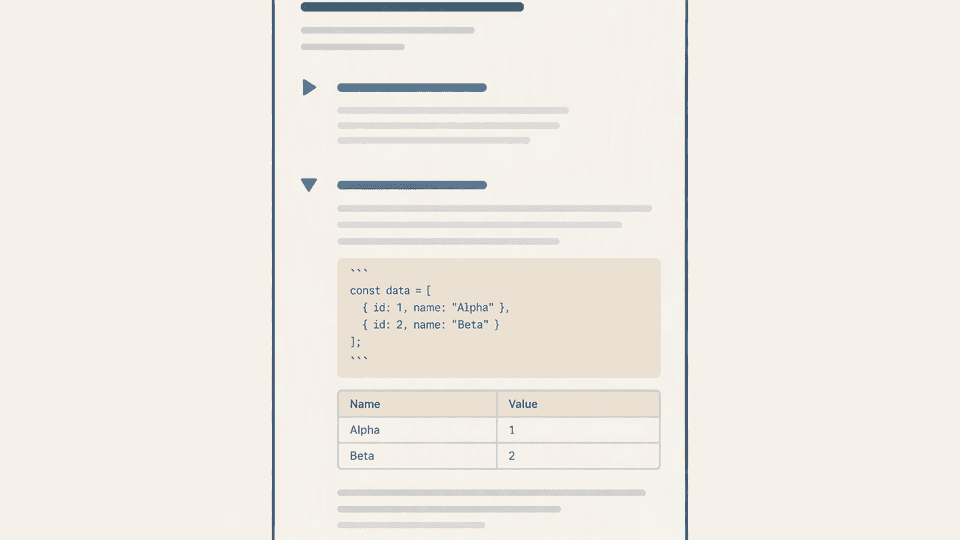
How to create collapsible sections in Markdown using details and summary blocks, including default-open behavior and renderer support notes.
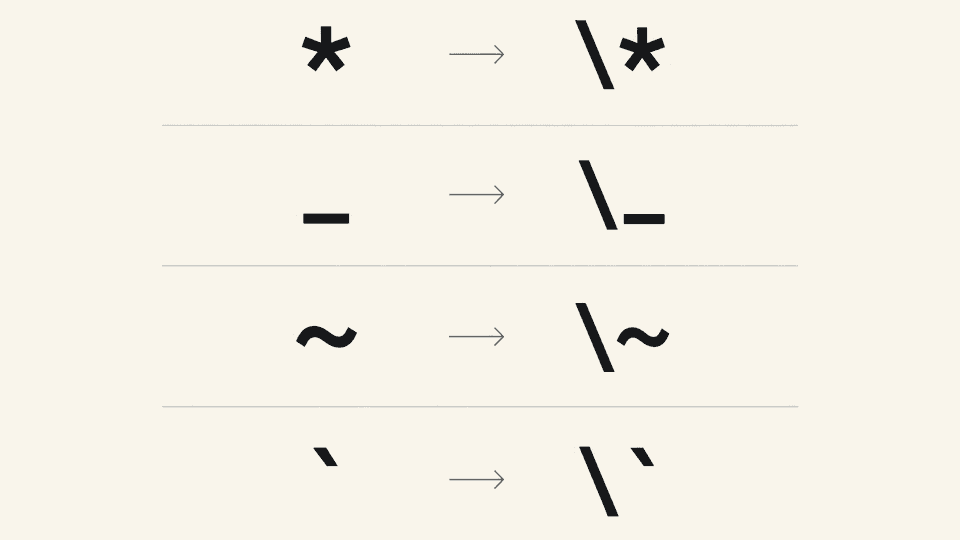
How to escape Markdown characters such as asterisks, underscores, and backticks so they appear as literal text instead of triggering formatting.
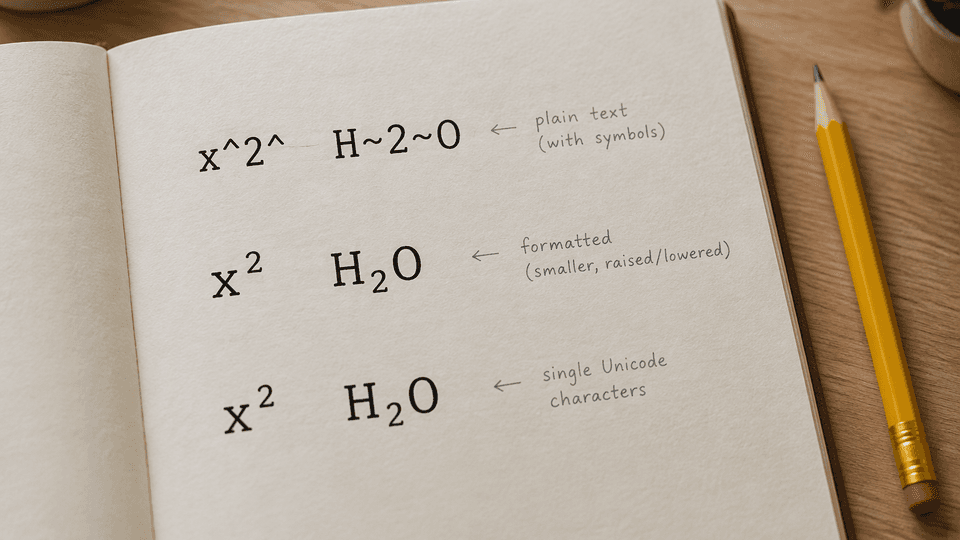
How to write superscript and subscript text in Markdown with portable workarounds, since core Markdown has no native syntax, and which renderers support each option.

How to add footnotes in Markdown with superscript references and definitions at the end of the file, plus troubleshooting for renderers without footnote support.
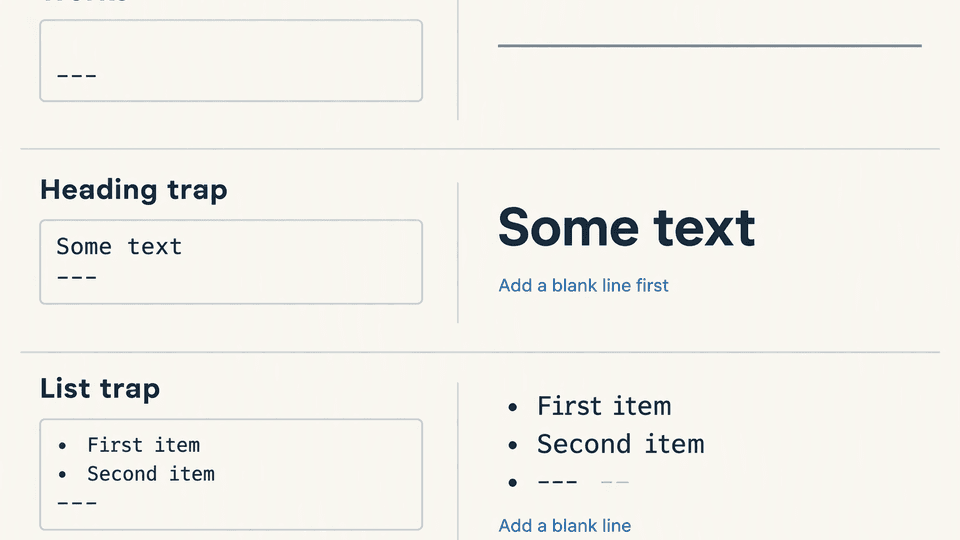
How to create a horizontal rule in Markdown with asterisks, dashes, or underscores, why the rule sometimes disappears, and how to fix the common failure cases.
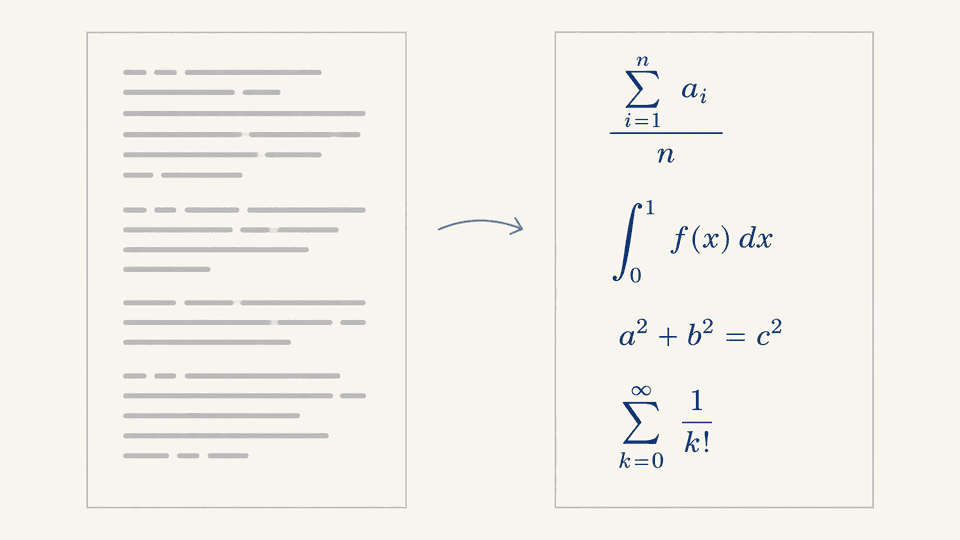
How to write math equations in Markdown using inline and display syntax, which renderers typeset LaTeX, and how Fylune renders KaTeX formulas in local files.

How to write blockquotes in Markdown with the > marker: multi-line quotes, nesting, lists and code inside quotes, and fixes for quotes that stop rendering.

Why Markdown has no native underline or highlight syntax, and the HTML and extension workarounds that stay portable.
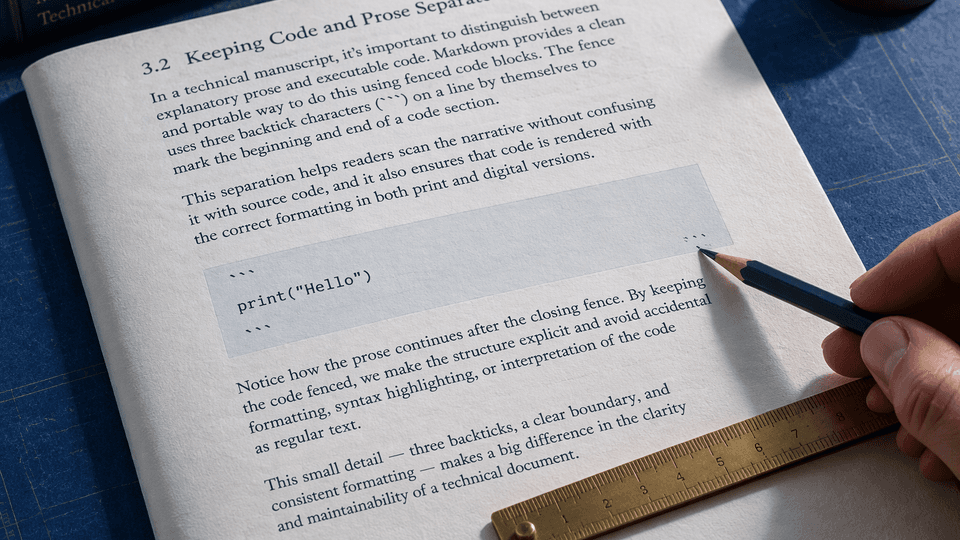
Fenced and inline Markdown code syntax, backtick escaping, and language hints for syntax-highlighted code blocks.

Inline emphasis syntax for bold, italic, strikethrough, and combined bold-italic Markdown, including underscore edge cases.
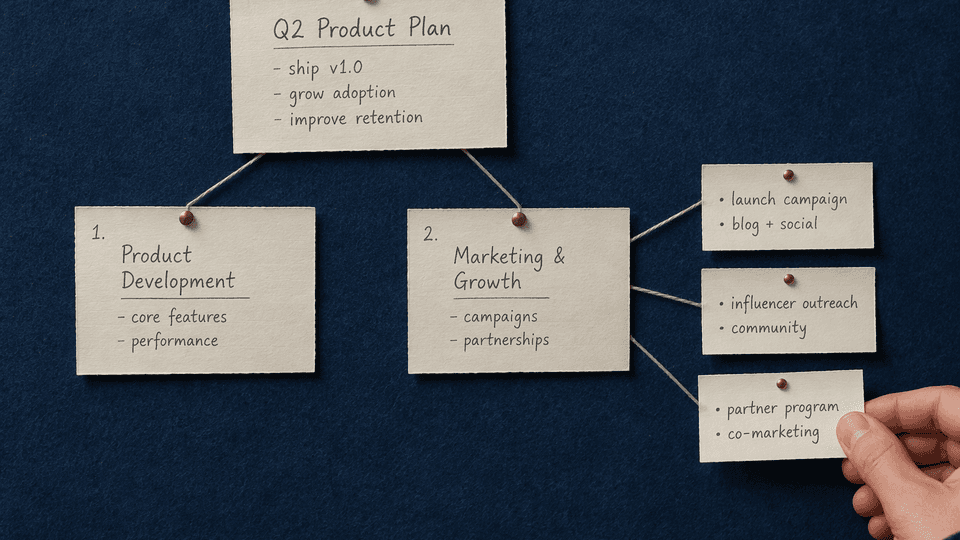
Ordered, unordered, and nested Markdown list syntax, indentation rules, and fixes for lists that render as one paragraph.

Ways to add non-rendering comments in Markdown using HTML comment syntax and reference-style tricks, with portability caveats.

How line breaks, blank lines, and hard breaks behave in Markdown, and the two-space, backslash, and br-tag methods that render consistently.

Markdown link syntax for inline, reference-style, and relative file links, with anchor targets and broken-path checks for local project folders.

Learn Markdown checklist syntax with copyable checkbox examples, nested task lists and fixes for spacing, indentation, preview support and PDF exports.
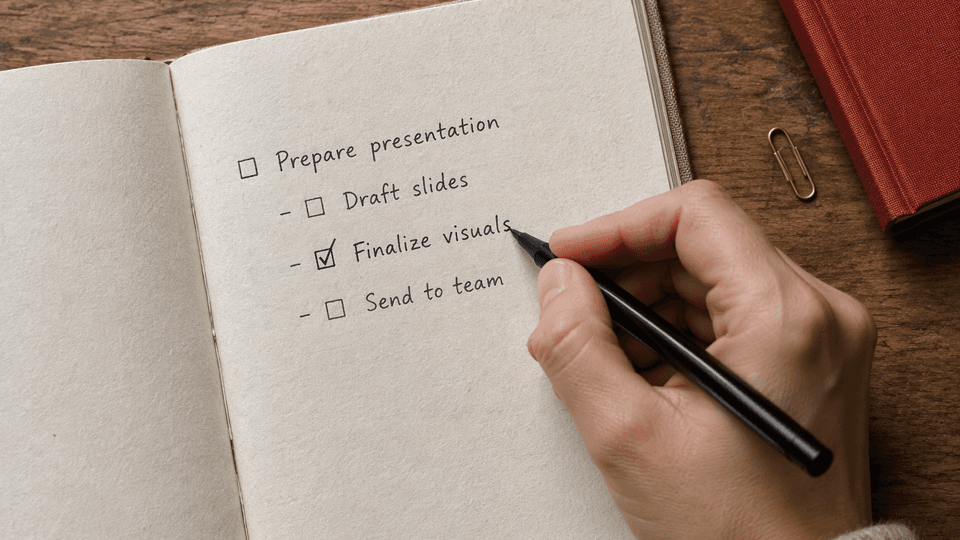
Markdown checkbox and task list syntax explained: GFM [ ] / [x] items, nested task lists, common rendering problems, and editors that render them correctly.

A step-by-step guide to filling out a PDF form online, including how to pick the right route for fillable and flat forms, what free tools include, and a checklist for inspecting the downloaded file before you sign or send it.

Learn how to choose a Mermaid editor, write and debug a small diagram, keep the source beside your Markdown files, and export without losing editability.
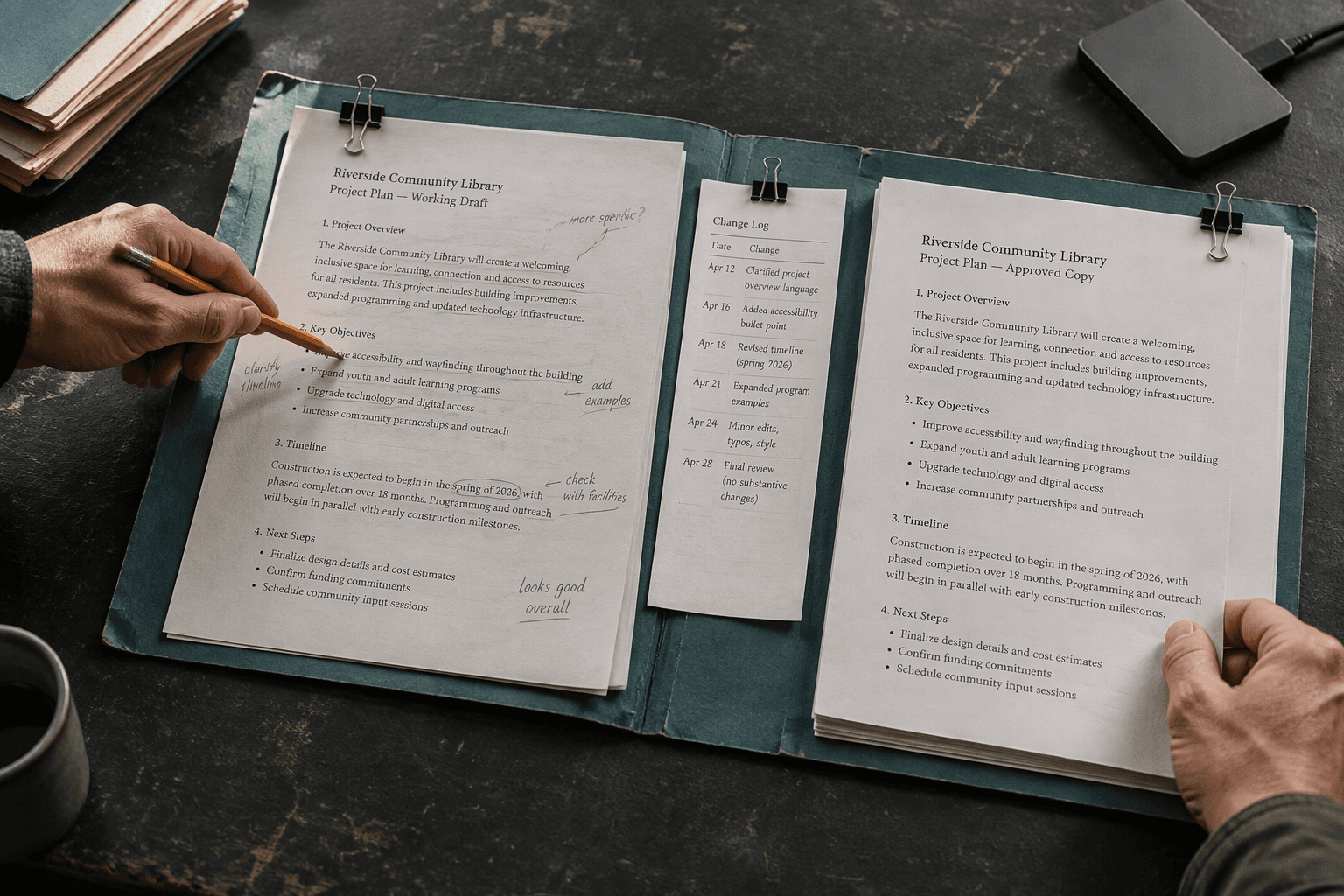
AI agents need inspectable state, clear permissions, and reviewable changes. Ordinary local files provide the shared ground that makes those controls possible.

Power does not have to arrive as a wall of panels, logs, and permanent inspectors.

What we are shipping first, what we are deliberately postponing, and how we will know the product is earning trust.